My Top 10 Favorite Books
They say readers are leaders, and I couldn’t agree more. When Bill Gates was asked what superpower he would want, he didn’t choose invisibility or flying. He said he wished he could read books faster. Makes sense, right? Books are basically shortcuts to someone else’s life, knowledge, and experiences. You get decades of lessons in a few hundred pages.
The best way to learn is from experience. But let’s be real—we can’t experience everything ourselves. We can’t try every career, fail at every experiment, or explore every field. That’s where books come in. A writer puts their life, research, and wisdom into a single book, and we can absorb it all in a week or two. It’s like having a mentor who’s already been through it all.
This inspired me to start reading seriously about a year ago. Over time, I realized some books stick with you more than others because of the ideas, techniques, and perspectives they offer. Here are my top 10 favorite books, along with detailed explanations of what they’re about and why they’re worth reading.
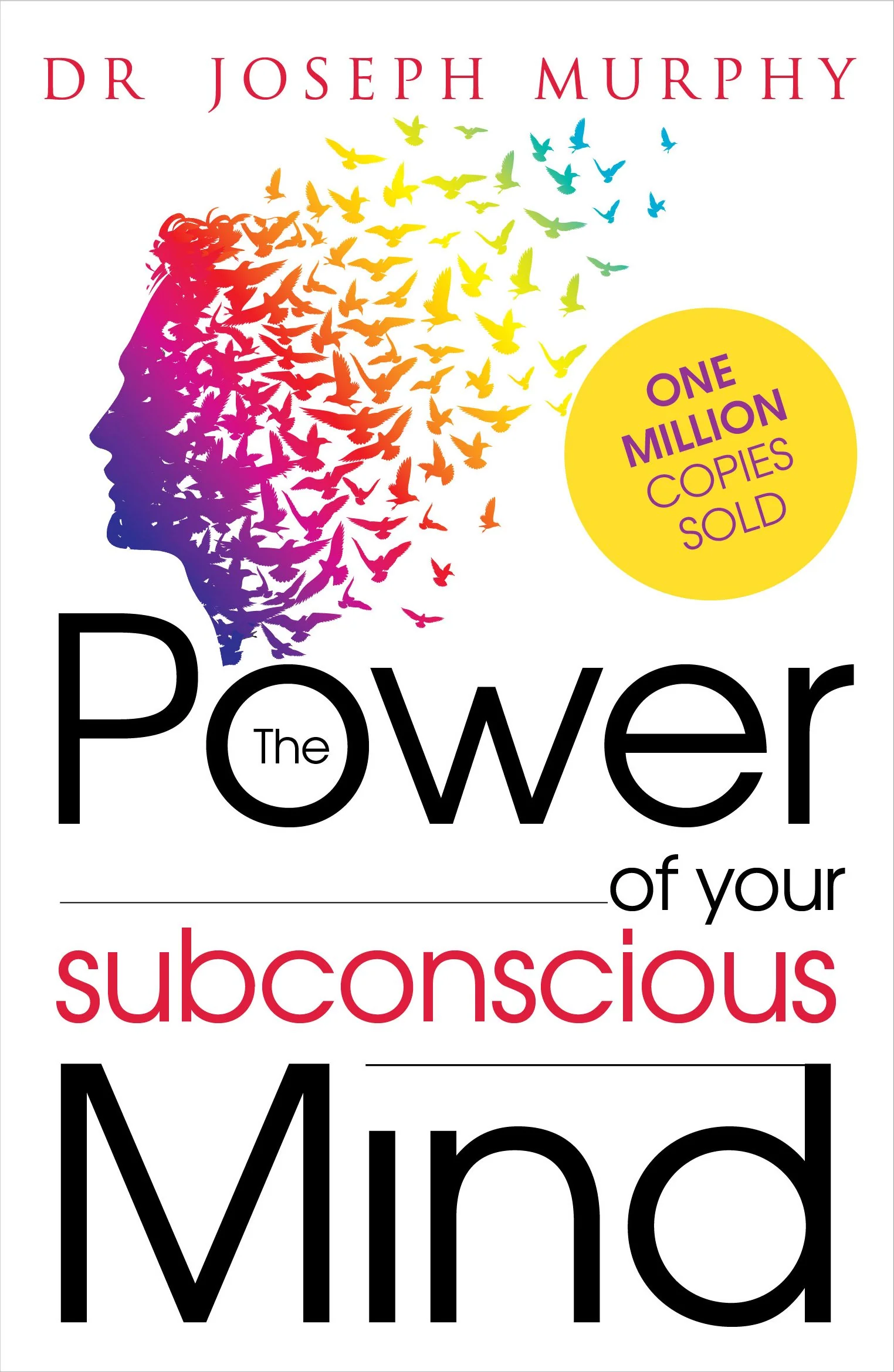
1. The Power of Your Subconscious Mind – Joseph Murphy
This book dives into how our subconscious mind affects almost everything we do. Murphy explains that our thoughts, beliefs, and habits—especially the ones we don’t even notice—shape our reality. He shows practical ways to train your mind through visualization, affirmations, and focused thought.
Why it’s worth reading: If you want to understand your mind better and use it to reach your goals, this book is a must. It’s more than theory—it’s a guide to actually improving your thought patterns and behavior.
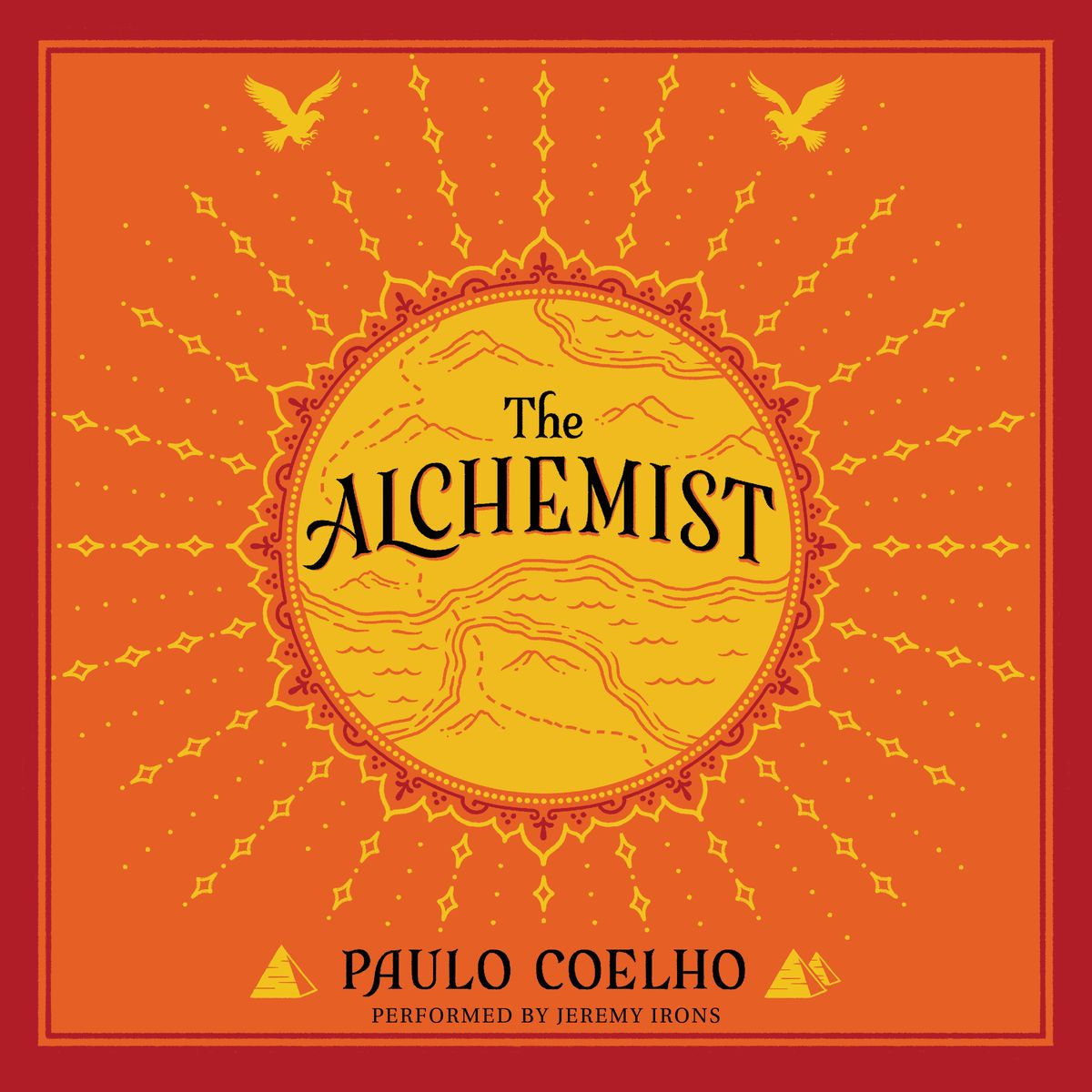
2. The Alchemist – Paulo Coelho
The Alchemist tells the story of Santiago, a shepherd who goes on a journey to pursue his “personal legend.” It’s about chasing your dreams, noticing the signs life gives you, and learning lessons along the way. The story is simple, but the ideas about courage, persistence, and intuition stick long after you finish reading.
Why it’s worth reading: It’s a reminder that the journey matters as much as the destination. Anyone looking for motivation or clarity about their life goals will find this book inspiring.
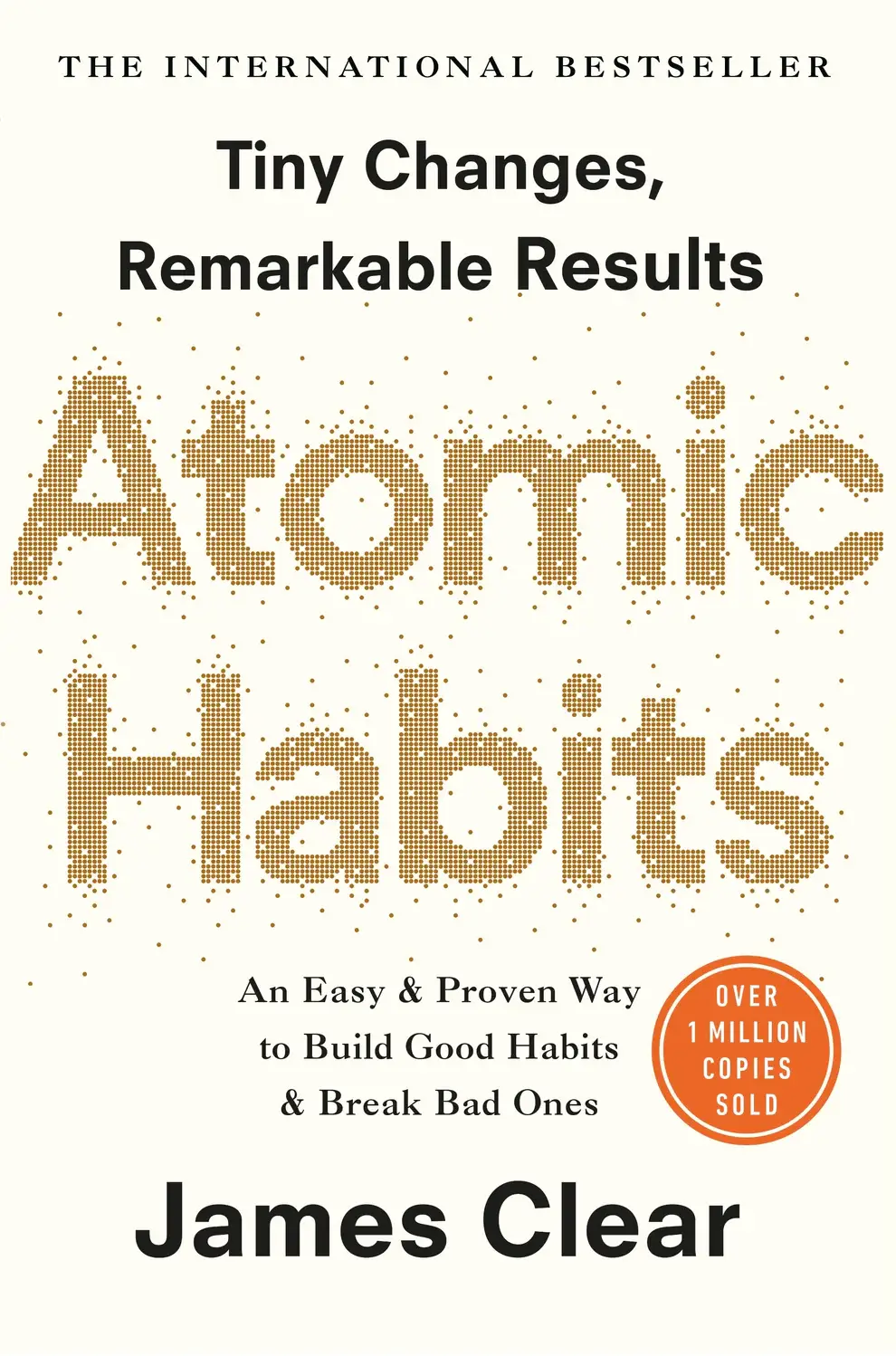
3. Atomic Habits – James Clear
Clear’s book is all about habits—how small, consistent changes can lead to huge results over time. He introduces techniques like habit stacking, environment design, and breaking bad habits by understanding the triggers behind them. The ideas are simple but backed by science, which makes them practical and easy to apply.
Why it’s worth reading: It’s perfect for building better routines, studying more effectively, or just improving yourself gradually. Small improvements done consistently really do add up.
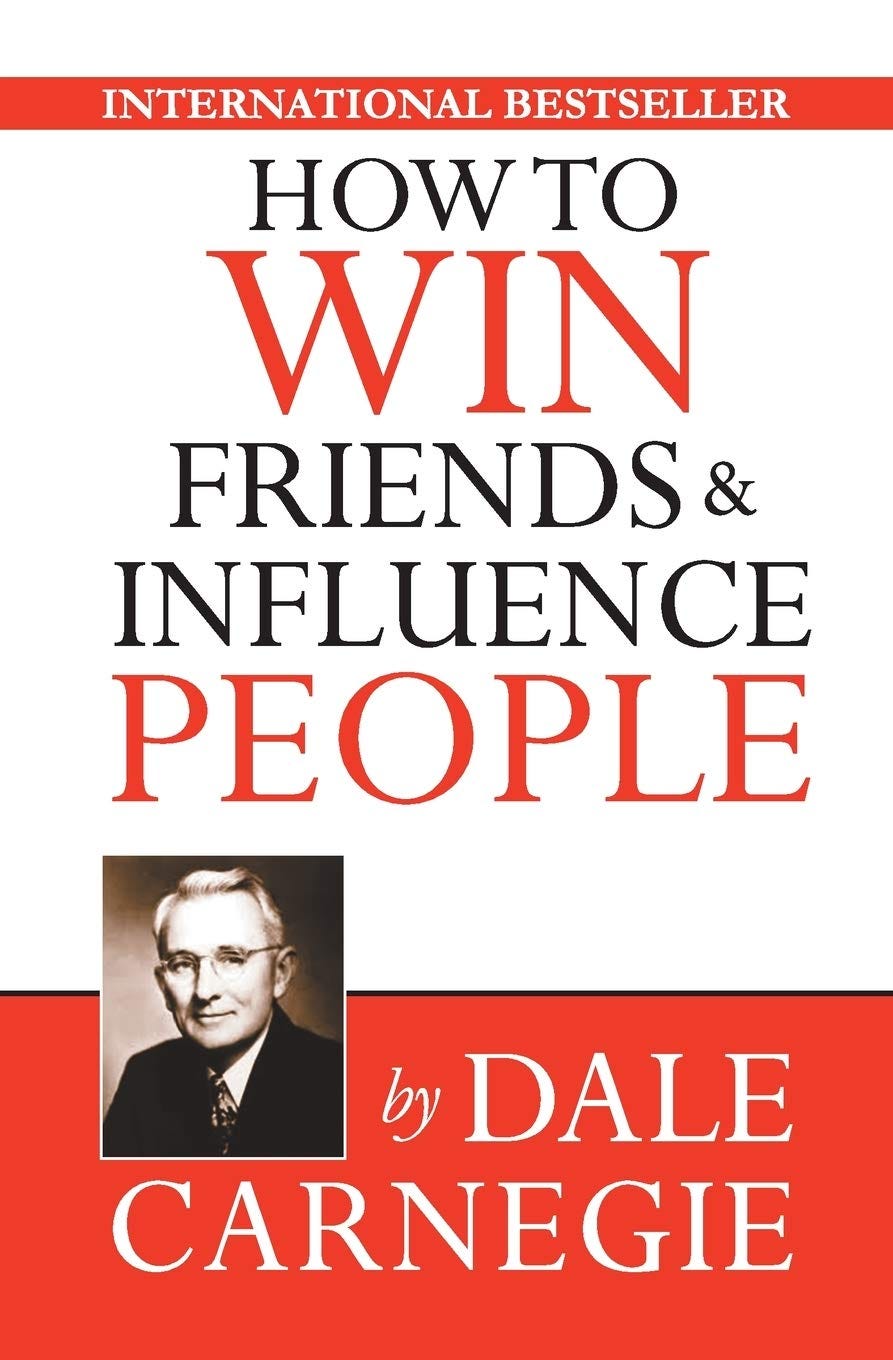
4. How to Win Friends and Influence People – Dale Carnegie
This classic is all about communication and relationships. Carnegie breaks down simple yet powerful techniques: listen more than you talk, show genuine appreciation, avoid criticism, and encourage cooperation. These principles can improve personal interactions, teamwork, and even leadership skills.
Why it’s worth reading: It teaches practical social skills that can help in school, work, and life. People who understand how to connect with others almost always get further, and this book explains exactly how.
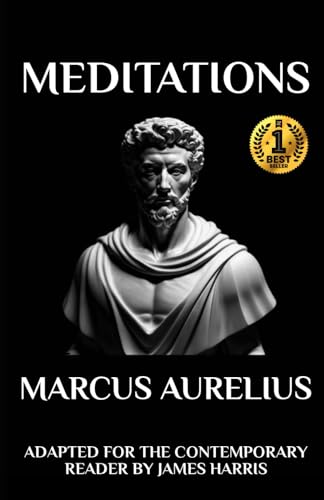
5. Meditations – Marcus Aurelius
Meditations is a series of reflections from Roman emperor Marcus Aurelius. It focuses on Stoic philosophy: controlling your mind, accepting what you can’t change, and acting with virtue. It’s less about abstract philosophy and more about practical life guidance—how to stay calm, think clearly, and act intentionally.
Why it’s worth reading: This book teaches mental resilience and self-discipline. It’s timeless advice for dealing with stress, challenges, or moments of doubt.
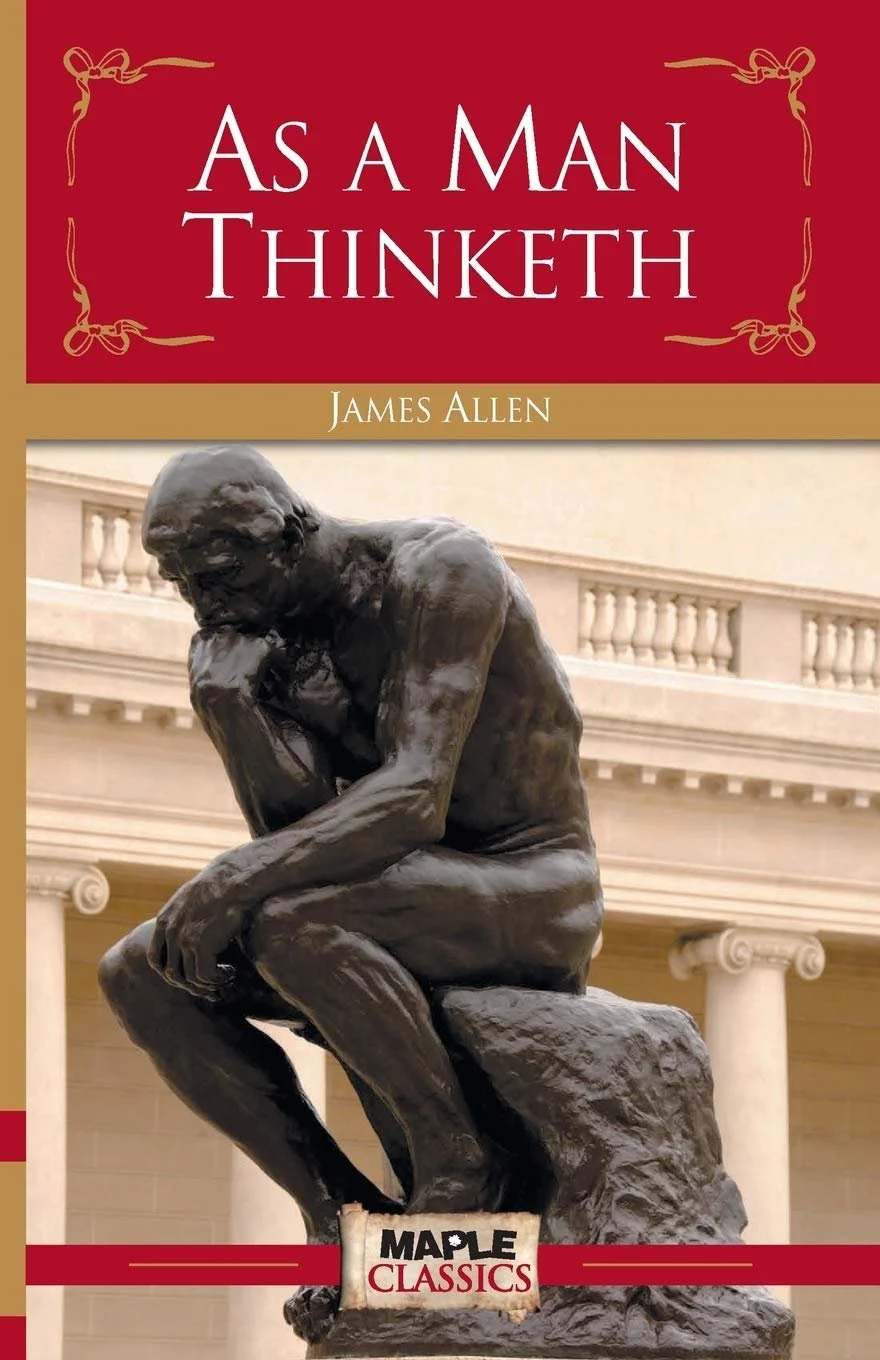
6. As a Man Thinketh – James Allen
Allen’s book is short but powerful. It explains how our thoughts shape our character and destiny. Positive, intentional thinking leads to better habits and outcomes, while negative thinking creates obstacles.
Why it’s worth reading: It’s a quick guide to mindset and personal responsibility. Anyone interested in self-improvement will find it simple yet effective.
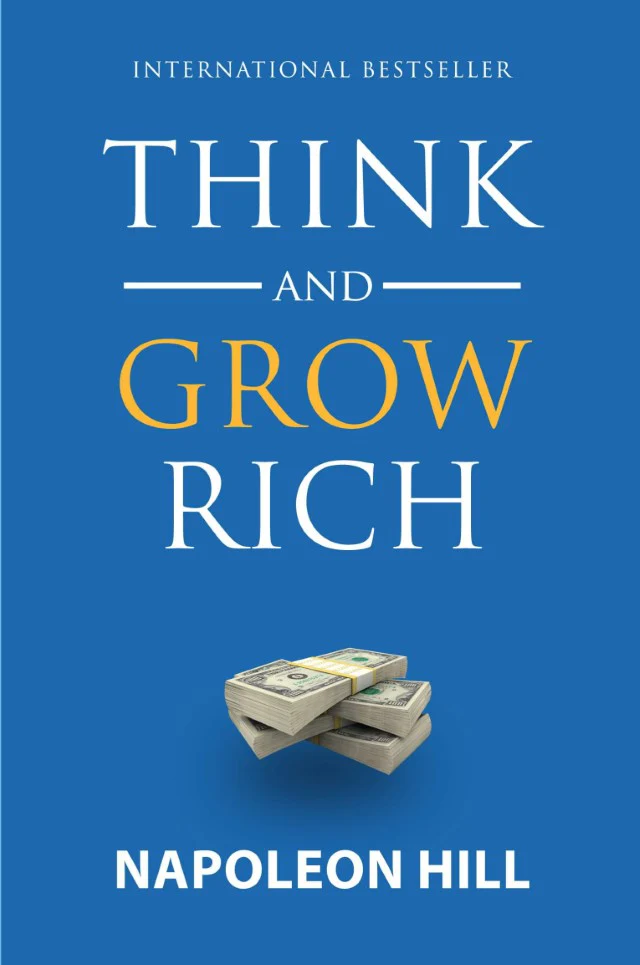
7. Think and Grow Rich – Napoleon Hill
Hill studied the habits and mindsets of highly successful people to find patterns that lead to achievement. The book focuses on goal-setting, persistence, visualization, and developing a success-oriented mindset.
Why it’s worth reading: It’s a classic roadmap for ambition and personal success. Beyond wealth, it teaches how to plan, act, and think strategically to reach any goal.
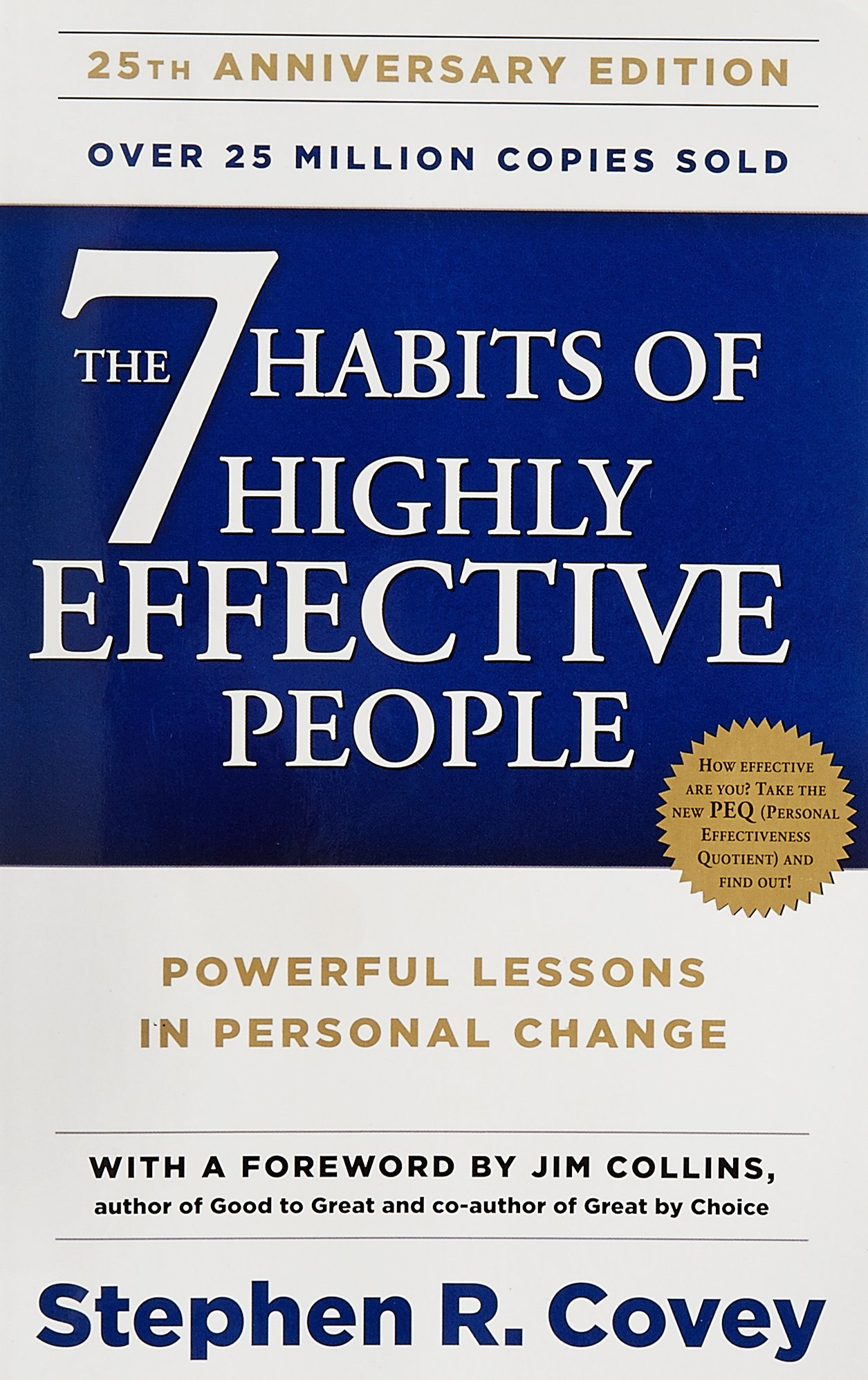
8. The 7 Habits of Highly Effective People – Stephen R. Covey
Covey lays out seven habits for personal and professional growth, like being proactive, prioritizing important tasks, and seeking win-win solutions. The book emphasizes character, integrity, and long-term effectiveness over short-term success.
Why it’s worth reading: It’s a practical framework for becoming organized, intentional, and productive. Students, young professionals, or anyone trying to structure their life will find this very helpful.
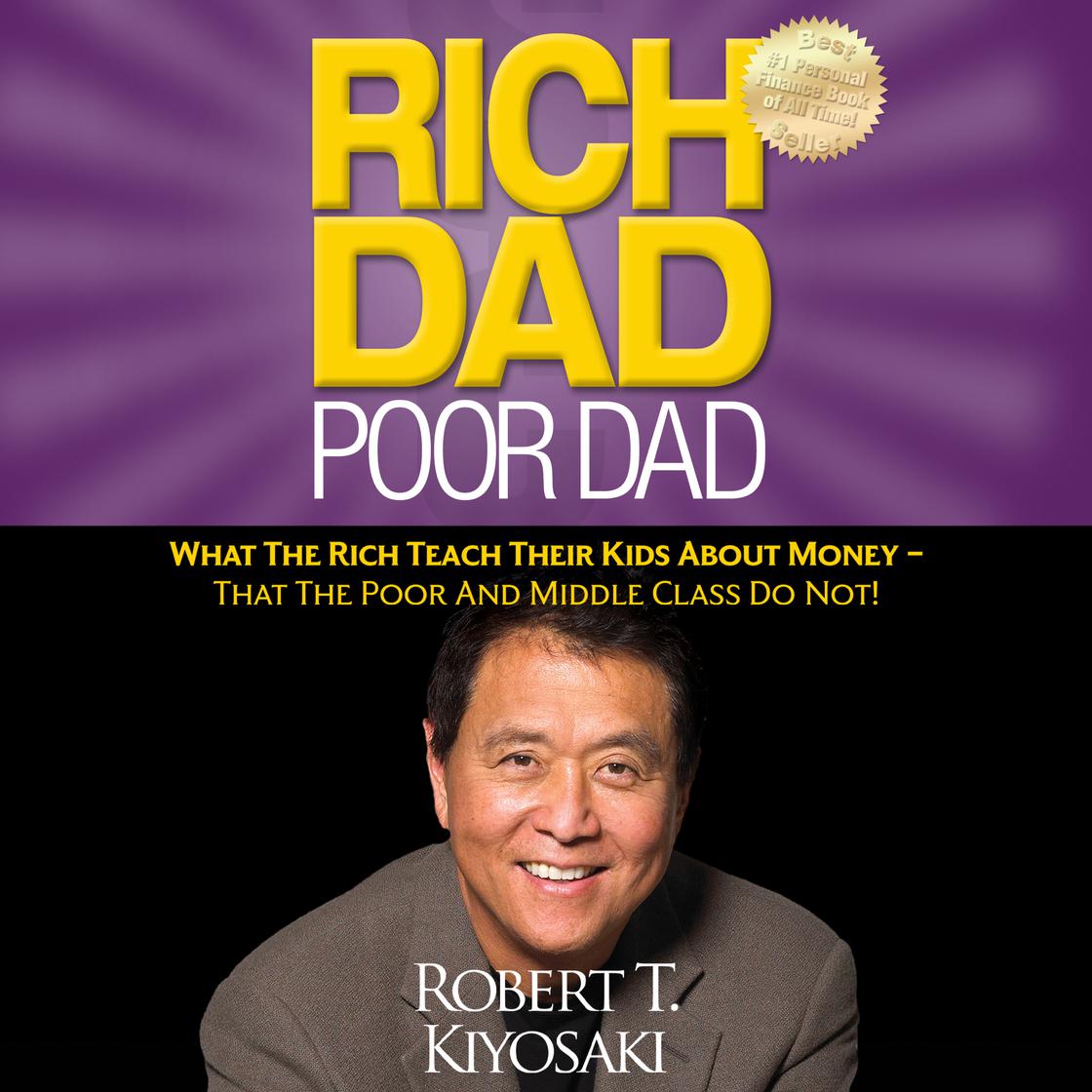
9. Rich Dad Poor Dad – Robert T. Kiyosaki
Kiyosaki compares two approaches to money: working for income versus building financial intelligence and long-term wealth. He explains assets vs. liabilities, passive income, and the mindset needed to achieve financial independence.
Why it’s worth reading: It’s a great introduction to financial literacy. The book helps you think differently about money, investments, and planning for the future.
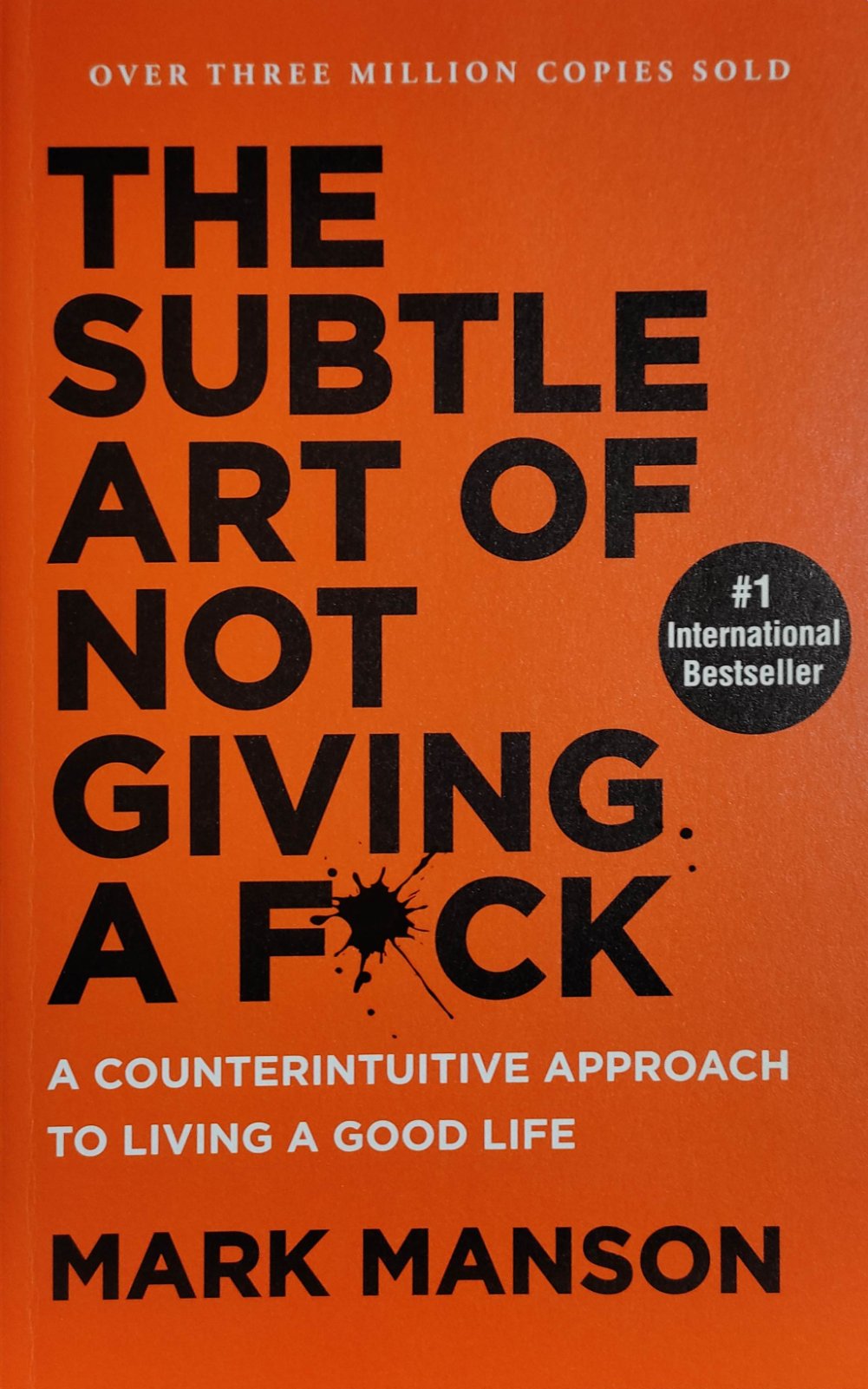
10. The Subtle Art of Not Giving a F*ck – Mark Manson
Manson’s book is about choosing what to care about and letting go of unnecessary stress. He emphasizes values-based living, acceptance of limitations, and focusing on what actually matters. The writing is humorous, direct, and practical.
Why it’s worth reading: It teaches prioritization, focus, and living intentionally. The advice is relatable and applicable, especially for students and young adults navigating pressure and expectations.