Common Cyber Attacks: A Detailed Guide

Learn about cyber attacks, real-world examples, and how to prevent them effectively

Phishing Attacks

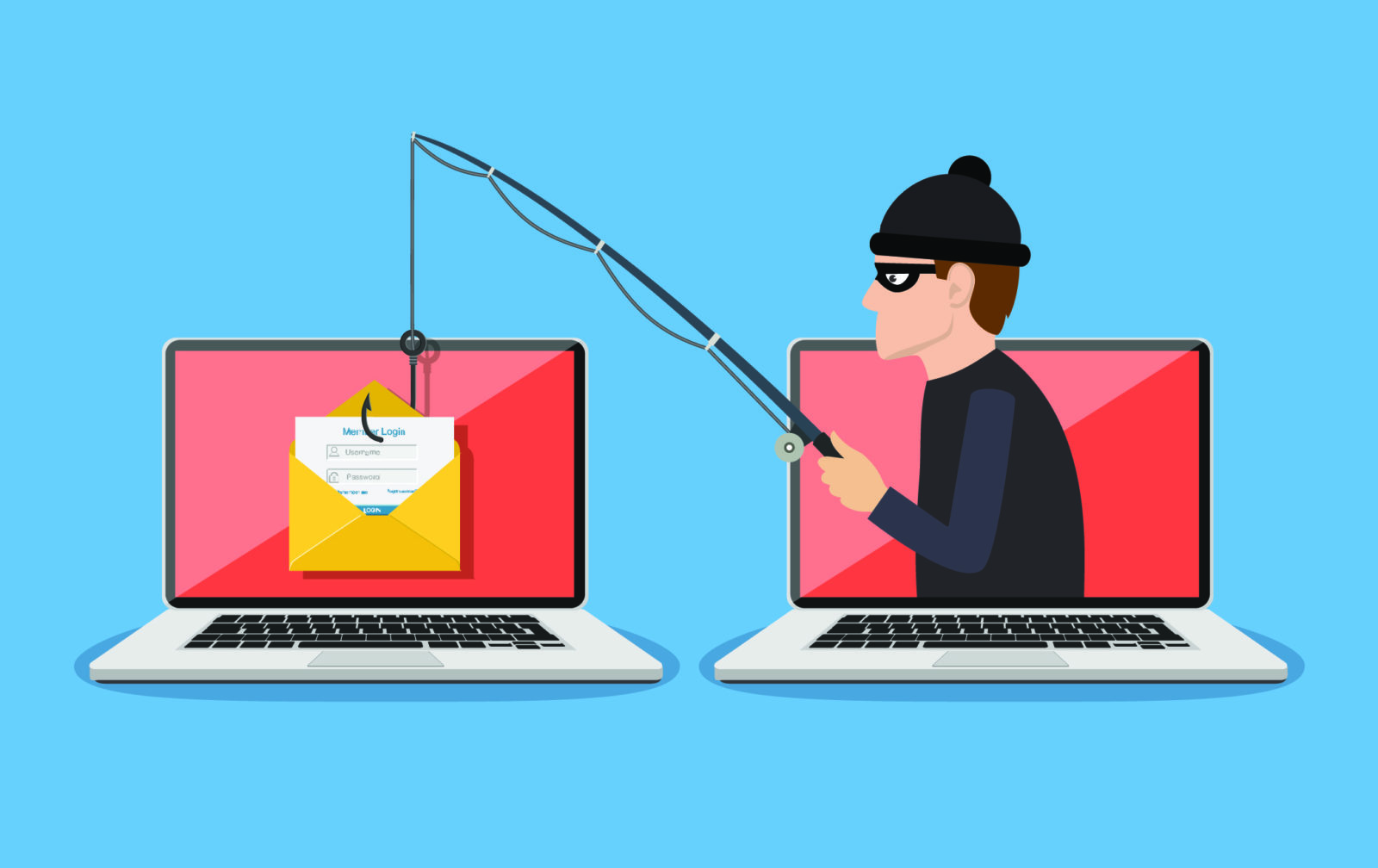
Phishing Attack

What it is

Phishing is a cyber attack where attackers disguise themselves as trusted organizations to steal sensitive information like passwords or OTPs.

How it works

  • Attackers send emails or messages pretending to be legitimate.
  • Messages create urgency or fear.
  • Victims are redirected to fake websites to steal data.

Examples

  • Nepal: Fake OTP requests from local banks.
  • International: Large-scale campaigns mimicking PayPal or Google.

How to prevent it

  • Never click unknown links or attachments.
  • Verify sender addresses carefully.
  • Enable multi-factor authentication.
Malware Attacks

Malware Attack

What it is

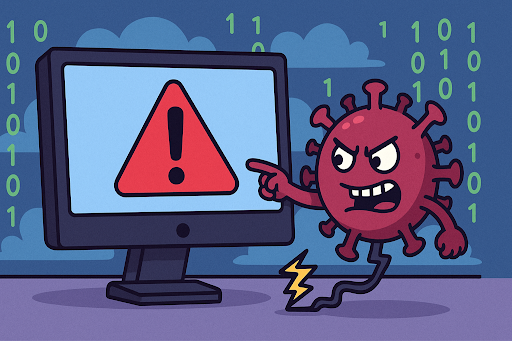
Malware is malicious software designed to harm systems, steal data, or gain unauthorized access.

How it works

  • Enters devices via downloads, email attachments, or infected drives.
  • Runs silently to steal data, encrypt files, or allow remote control.

Examples

  • Nepal: Ransomware targeting offices or small businesses.
  • International: WannaCry ransomware in 2017 disrupted hospitals globally.

How to prevent it

  • Use antivirus software.
  • Keep systems and apps updated.
  • Back up important data regularly.

Denial-of-Service (DoS & DDoS)

DDoS Attack

What it is

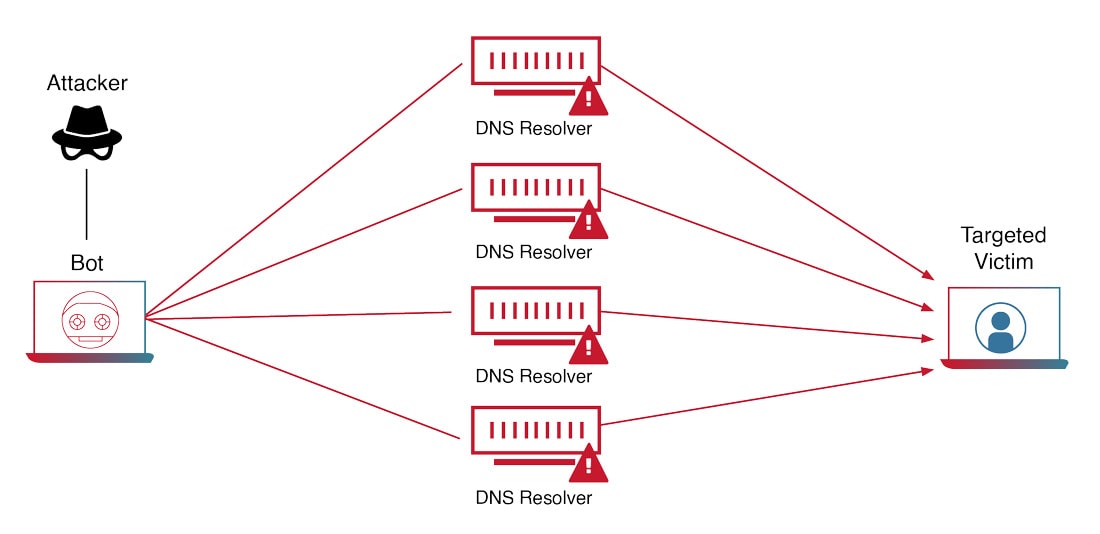
DoS and DDoS attacks overwhelm servers, making websites or services unavailable.

How it works

  • Attackers send massive traffic to a server.
  • DDoS attacks use multiple devices (botnets) for larger impact.

Examples

  • Nepal: Local website outages due to abnormal traffic spikes.
  • International: 2016 Dyn DNS attack disrupted major platforms like Twitter and Netflix.

How to prevent it

  • Use DDoS protection services and CDNs.
  • Monitor traffic for unusual patterns.
  • Apply rate limiting and firewall rules.

Man-in-the-Middle (MitM)

Man-in-the-Middle Attack

What it is

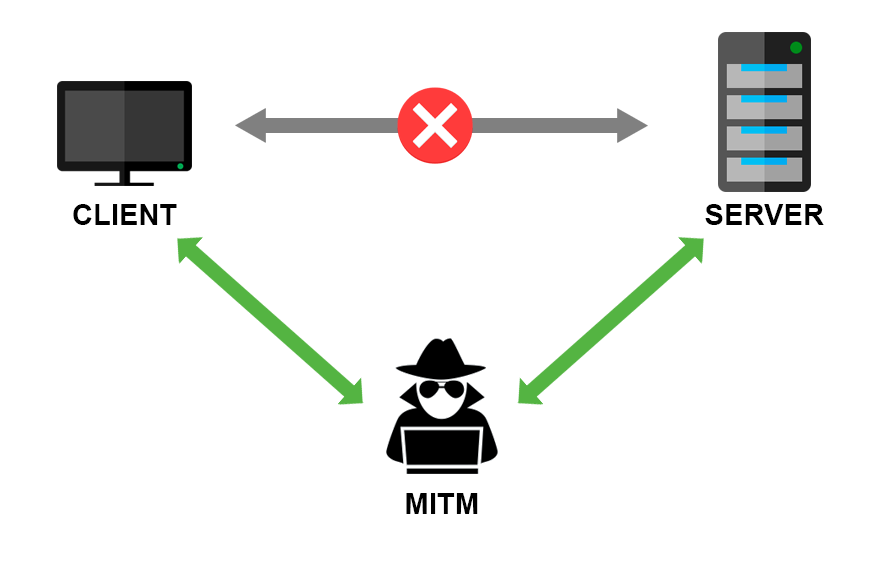
MitM attacks occur when attackers secretly intercept communications between two parties to steal or manipulate information.

How it works

  • Attackers exploit unsecured public Wi-Fi networks.
  • They intercept credentials, messages, or financial data.

Examples

  • Nepal: Credential theft on public Wi-Fi.
  • International: Banking credential interception on public networks.

How to prevent it

  • Use VPNs on public Wi-Fi.
  • Ensure HTTPS connections.
  • Avoid sensitive transactions on open networks.

SQL Injection

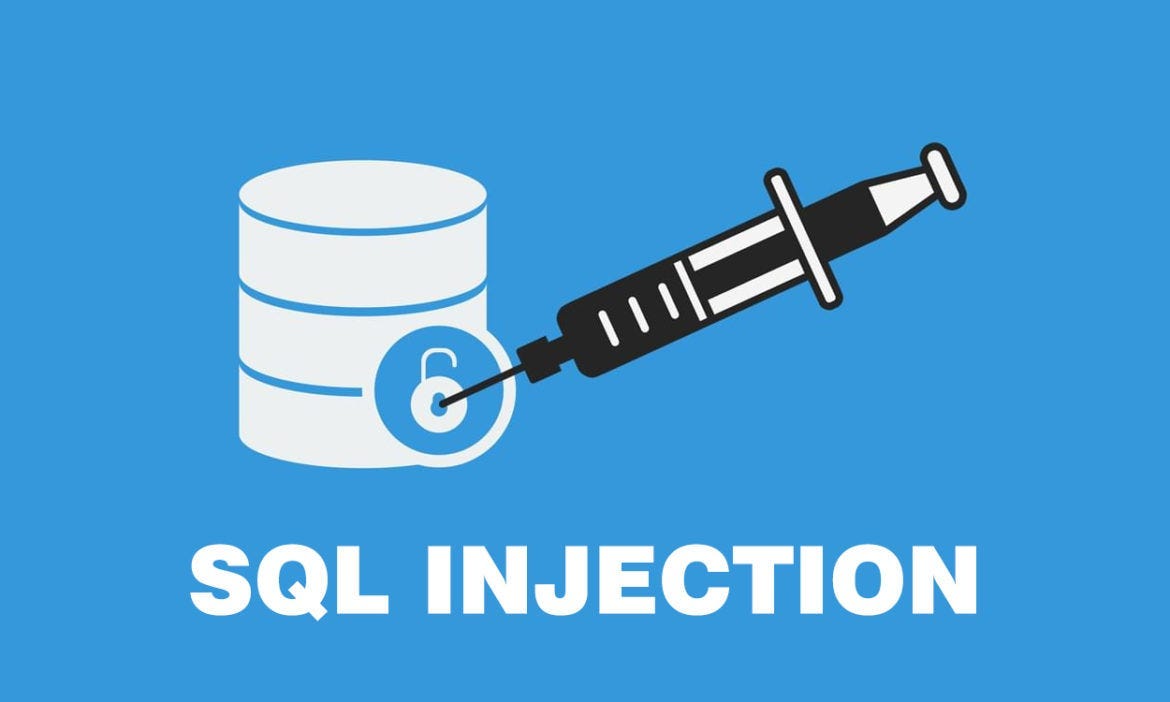
SQL Injection

What it is

SQL Injection is a web-based attack where malicious SQL commands are inserted into websites to access or manipulate databases.

How it works

  • Attackers input SQL commands into forms or URLs.
  • Applications with poor input validation execute these commands.
  • Attackers gain unauthorized access to sensitive data.

Examples

  • Nepal: Data exposure on weak government portals.
  • International: 2019 Capital One data breach.

How to prevent it

  • Use parameterized queries or prepared statements.
  • Validate and sanitize all user input.
  • Conduct regular security audits.

Password Attacks

Password Attack

What it is

Attempts to gain unauthorized access using weak or stolen passwords.

How it works

  • Attackers use brute force, credential stuffing, or password spraying.
  • Automated tools try multiple combinations.
  • Successful attacks allow account access.

How to prevent it

  • Use strong, unique passwords.
  • Enable multi-factor authentication.
  • Use password managers.

Social Engineering

Social Engineering

What it is

Manipulation of people into revealing confidential information or performing unsafe actions.

How it works

  • Attackers impersonate trusted individuals.
  • Create urgency or fear to trick victims.

How to prevent it

  • Verify identities before sharing info.
  • Be cautious of urgent requests.
  • Educate yourself and others about tactics.

Zero-Day Exploits

Zero-Day Exploit

What it is

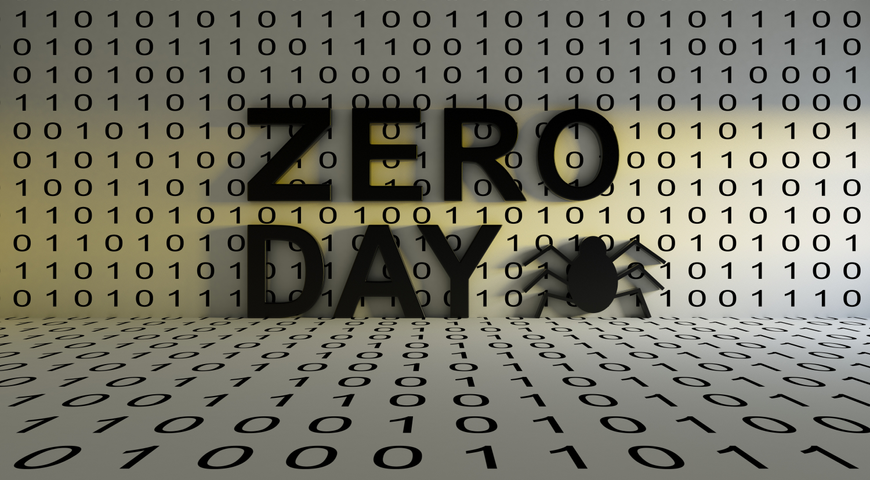
Zero-day exploits target software vulnerabilities unknown to developers with no available fix.

How it works

  • Attackers find flaws before patches exist.
  • Exploit vulnerabilities to install malware or steal data.

How to prevent it

  • Install software updates promptly.
  • Use intrusion detection and antivirus systems.

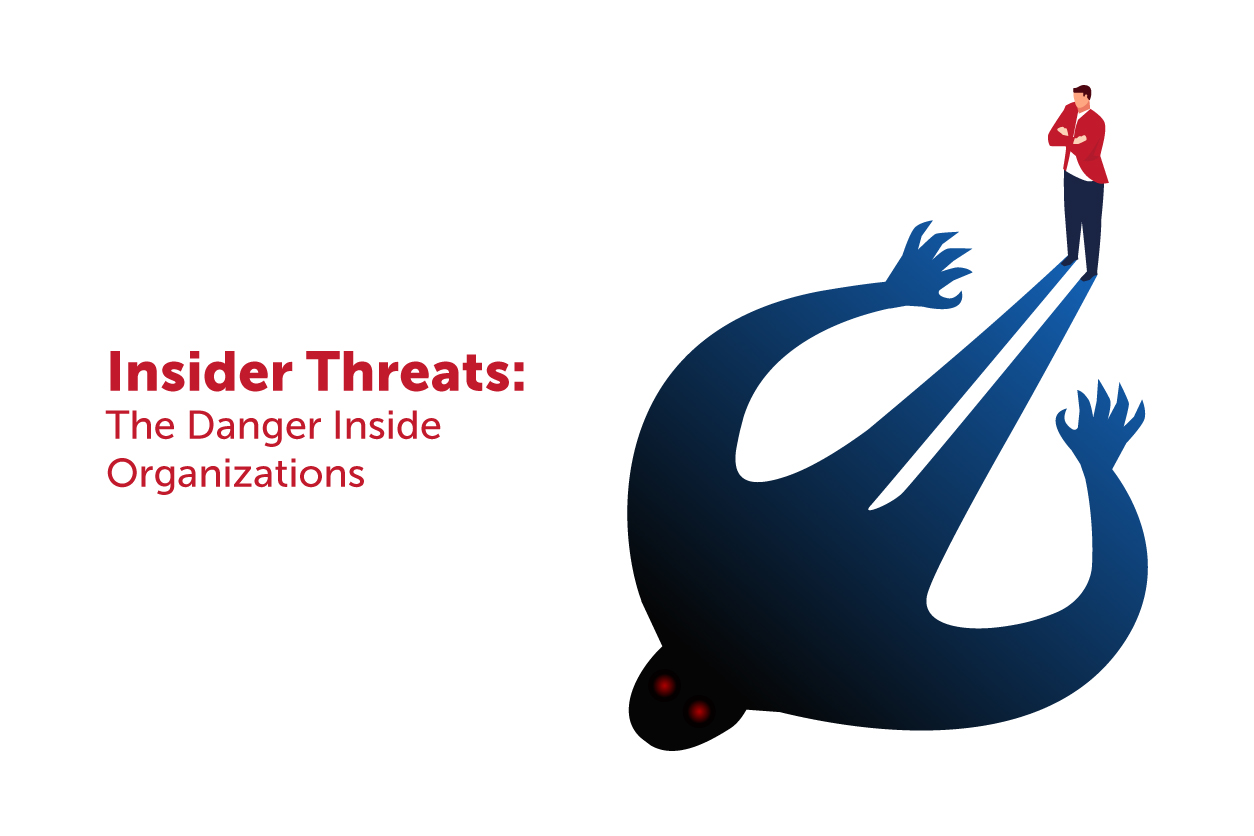
Insider Threats

Insider Threat

What it is

Threats from employees, contractors, or insiders, either intentional or accidental.

How to prevent it

  • Implement least-privilege access policies.
  • Monitor activity logs and unusual behavior.
  • Provide cybersecurity awareness training to staff.

Conclusion

Understanding cyber attacks, their methods, and prevention techniques is essential in the digital age. Awareness, strong security practices, and continuous learning help create a safer digital environment.